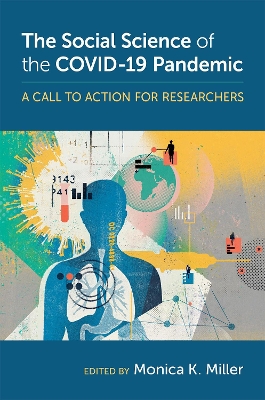
Social Science of the COVID-19 Pandemic
 -10%
portes grátis
-10%
portes grátis
Social Science of the COVID-19 Pandemic
A Call to Action for Researchers
Miller, Monica K.
Oxford University Press Inc
03/2024
672
Dura
Inglês
9780197615133
15 a 20 dias
Descrição não disponível.
Preface
Chapter 1: The Reciprocal Relationship Between Disease and Society: Historical and Modern Perspectives
Monica K. Miller, Bryce Van Vleet, Hugh Shapiro
Section One: Foundation of the COVID-19 Pandemic
Chapter 2: How the Pandemic Changed People, Experiences, and the World
Angela Spires, Monica K. Miller
Chapter 3: U.S. Public Health Policy Responses to COVID-19
Susan G. Bornstein, Monica K. Miller
Chapter 4: The Ethics of the COVID-19 Pandemic
Jennifer L. Lanterman
Chapter 5: Legal Actions and Impacts of the COVID-19 Pandemic
Pamela M. Everett
Section Two: Pandemic-Related Behavior During the Pandemic
Chapter 6: Confirmatory Bias, Cognitive Dissonance, and the COVID-19 Pandemic
Monica K. Miller, Jean J. Cabell
Chapter 7: Self-Enhancement and Counterproductive COVID-19 Behavior
Ethan Zell, Constantine Sedikides
Chapter 8: Reactance Theory, Freedom-Seeking, Protesting, and Other COVID-19 Behaviors
Jungkeun Kim, Jooyoung Park, Ricky Y.K. Chan, Roger Marshall
Chapter 9: Morality in Times of Crisis: Panic, Grandstanding, Disengagement and Outrage as Drivers of Pandemic-Related Behavior of Citizens
Biljana Gjoneska
Chapter 10: Temporal Discounting, Uncertainty, and COVID-19
Mattia Nese, Greta Riboli, Valentina Sassi, Gianni Brighetti, Rosita Borlimi
Chapter 11: An Objectification Theory Lens for Understanding Compliance With COVID-19 Safety Measures
Elvira Prusaczyk, Megan Earle, Becky Choma, Rachel Calogero
Chapter 12: Could Gender-Related Norms Predict Compliance With COVID-19 Prevention Behaviors? Negative Impacts of Masculine Social Norms
Mete Sefa Uysal, Emir UEzuemceker, Sara Vestergren
Chapter 13: Cooperation and Acting for the Greater Good During the COVID-19 Pandemic
Valerio Capraro, Paulo S. Boggio, Robert Boehm, Matjaz Perc, Hallgeir Sjastad
Chapter 14: Crafting Effective Messages to Encourage COVID-19 Vaccination
Paul G. Devereux, Sarah Y.T. Hartzell, Molly M. Hagen
Chapter 15: Party Polarization and COVID-19
Jennifer Lin, James N. Druckman
Chapter 16: How Will Collective-Level Dynamics Influence the Spread of COVID-19?
Shinobu Kitayama
Chapter 17: The Role of Attitude Strength in Addressing the COVID-19 Pandemic
Joseph J. Siev, Mengran Xu, Andrew Luttrell, Richard E. Petty
Chapter 18: Trust in the Medical Profession: Reflections From the COVID-19 Pandemic
A. Christine Emler, Brian H. Bornstein
Chapter 19: Social Networks and COVID-19: Contagion and the Pandemic's Impact on Behavior
Clayton D. Peoples, Kayla Furlano
Section Three: Experiences During the Pandemic
Chapter 20: The Collective Trauma and Chronic Stress of COVID-19: Risk and Resilience
Dana Rose Garfin, Kayley D. Estes
Chapter 21: Collective Resilience and the COVID-19 Experience
Chris Cocking, Evangelos Ntontis, Sara Vestergren, Katarzyna Luzynska
Chapter 22: Staying Together While Apart: How Digital Media Both Helped and Harmed Our Sense of Connection During the COVID-19 Pandemic
Andrea Bayer, Sara V. White, Samuel E. Ehrenreich
Chapter 23: Xenophobia, Prejudice, Stigma, and the COVID-19 Pandemic
Victoria Estrada-Reynolds, Cynthia Willis-Esqueda
Chapter 24: Inequality and the COVID-19 Experience
Cynthia Willis-Esqueda, Victoria Estrada-Reynolds
Chapter 25: Inequality in Healthcare: Theoretical Explanations for Disparities in the COVID-19 Experience
Emily R. Berthelot, Susan G. Bornstein
Chapter 26: How Will Couples Adapt to Stress from the COVID-19 Pandemic? A Relationship Science Perspective
Paula R. Pietromonaco, Nickola Overall
Chapter 27: The COVID-19 Pandemic as a Trauma Trigger: Lessons from Bosnia and Herzegovina
Alma Jeftic, Toshiaki Sasao
Chapter 28: Nostalgia and Protection of Psychological Well-Being During the COVID-19 Pandemic
Tim Wildschut, Constantine Sedikides
Chapter 29: The Burden of Pandemic Life for Families With Young Children
Jennifer A. Mortensen, Lydia DeFlorio, Melissa M. Burnham
Chapter 30: Dreams in the Times of the COVID-19 Pandemic: Theoretical Perspectives on the Way the Pandemic Affects Dream Contents
Jarno Tuominen, Antti Revonsuo, Katja Valli
Chapter 31: Past Victimization and Responses to the COVID-19 Pandemic
Michal Bilewicz, Maria Babinska
Section Four: Outcomes after the Pandemic
Chapter 32: Leadership and the COVID-19 Pandemic
Yvonne Stedham, Steven Mueller
Chapter 33: Terror Management and the COVID-19 Pandemic
Dylan E. Horner, Alex Sielaff, Tom Pyszczynski, Jeff Greenberg
Chapter 34: Harnessing Moral Cognition to Save Lives
Justin F. Landy, Alexander D. Perry
Chapter 35: A Failure of Fear: Liabilities of Looseness During COVID-19
Michele J. Gelfand, Xinyue Pan, Alex Landry
Chapter 36: Fake News and the COVID-19 Pandemic
Sander van der Linden, Jon Roozenbeek
Chapter 37: Will the COVID-19 Pandemic Influence People's Moral Beliefs and Behavior? Insights From Parasite-Stress Theory and Moral Foundations Theory
Matthew P. West, Logan A. Yelderman
Chapter 38: Looking Back on the COVID-19 Pandemic: Hindsight and Outcome Bias
Hartmut Blank
Chapter 39: World-Systems Analysis and the COVID-19 Pandemic: How the Structural Dynamics of the Capitalist World-Economy Exacerbate Societal Vulnerability and Undermine Collective Responses to External Shocks
Michael Tyrala
Chapter 40: Can COVID-19 Help Save the World? The Consequence of the Pandemic for Changes in Climate Change Mitigation at the Institutional and Individual Levels
Adrian Wojcik, Marzena Cypryanska
Section Five: Conducting COVID-19 Pandemic Research
Chapter 41: Scattered Black and Whites: The Importance of the Positive and Negative in the Mosaic of Human Experience
Elaine Kinsella, Rachel Sumner
Chapter 42: On the Ethics of Social Science Research During a Pandemic
Philipp Schoenegger, Theron Pummer
Chapter 43: COVID-19 Related Community Sentiment Studies: Best Practices and Methodological Considerations
Evan Murphy, Breanna Boppre
Chapter 44: Strengthening Children and Youth Exposed to Multiple Community Stressors in Zagreb: Putting Science Into Practice
Gordana Buljan Flander, Igor Miklousic, Tea Brezinscak, Ella Selak Bagaric, Vjekoslav Jelec
Chapter 45: Researching Emotional Topics During Emotional Times: Reflecting on Best Practices for Management and Negotiation of Emotional Labor in Qualitative Social Research
Samantha Hughes, Sarah Lemon, Natasha Stonebridge, Sam Scott
Chapter 46: Selecting Personality and Individual Difference Theories to Predict COVID-19 Sentiment and Behaviors
Paul G. Devereux
Chapter 47: From Threats to Defenses: Theoretical and Statistical Suggestions to Investigate and Explain the Psychological Phenomena of COVID-19
Robin Willardt, Chiara A. Jutzi, Petra C. Schmid, Eva Jonas
Chapter 48: Moving Past the Pandemic: Lessons Learned From Social Science
Monica K. Miller
Chapter 1: The Reciprocal Relationship Between Disease and Society: Historical and Modern Perspectives
Monica K. Miller, Bryce Van Vleet, Hugh Shapiro
Section One: Foundation of the COVID-19 Pandemic
Chapter 2: How the Pandemic Changed People, Experiences, and the World
Angela Spires, Monica K. Miller
Chapter 3: U.S. Public Health Policy Responses to COVID-19
Susan G. Bornstein, Monica K. Miller
Chapter 4: The Ethics of the COVID-19 Pandemic
Jennifer L. Lanterman
Chapter 5: Legal Actions and Impacts of the COVID-19 Pandemic
Pamela M. Everett
Section Two: Pandemic-Related Behavior During the Pandemic
Chapter 6: Confirmatory Bias, Cognitive Dissonance, and the COVID-19 Pandemic
Monica K. Miller, Jean J. Cabell
Chapter 7: Self-Enhancement and Counterproductive COVID-19 Behavior
Ethan Zell, Constantine Sedikides
Chapter 8: Reactance Theory, Freedom-Seeking, Protesting, and Other COVID-19 Behaviors
Jungkeun Kim, Jooyoung Park, Ricky Y.K. Chan, Roger Marshall
Chapter 9: Morality in Times of Crisis: Panic, Grandstanding, Disengagement and Outrage as Drivers of Pandemic-Related Behavior of Citizens
Biljana Gjoneska
Chapter 10: Temporal Discounting, Uncertainty, and COVID-19
Mattia Nese, Greta Riboli, Valentina Sassi, Gianni Brighetti, Rosita Borlimi
Chapter 11: An Objectification Theory Lens for Understanding Compliance With COVID-19 Safety Measures
Elvira Prusaczyk, Megan Earle, Becky Choma, Rachel Calogero
Chapter 12: Could Gender-Related Norms Predict Compliance With COVID-19 Prevention Behaviors? Negative Impacts of Masculine Social Norms
Mete Sefa Uysal, Emir UEzuemceker, Sara Vestergren
Chapter 13: Cooperation and Acting for the Greater Good During the COVID-19 Pandemic
Valerio Capraro, Paulo S. Boggio, Robert Boehm, Matjaz Perc, Hallgeir Sjastad
Chapter 14: Crafting Effective Messages to Encourage COVID-19 Vaccination
Paul G. Devereux, Sarah Y.T. Hartzell, Molly M. Hagen
Chapter 15: Party Polarization and COVID-19
Jennifer Lin, James N. Druckman
Chapter 16: How Will Collective-Level Dynamics Influence the Spread of COVID-19?
Shinobu Kitayama
Chapter 17: The Role of Attitude Strength in Addressing the COVID-19 Pandemic
Joseph J. Siev, Mengran Xu, Andrew Luttrell, Richard E. Petty
Chapter 18: Trust in the Medical Profession: Reflections From the COVID-19 Pandemic
A. Christine Emler, Brian H. Bornstein
Chapter 19: Social Networks and COVID-19: Contagion and the Pandemic's Impact on Behavior
Clayton D. Peoples, Kayla Furlano
Section Three: Experiences During the Pandemic
Chapter 20: The Collective Trauma and Chronic Stress of COVID-19: Risk and Resilience
Dana Rose Garfin, Kayley D. Estes
Chapter 21: Collective Resilience and the COVID-19 Experience
Chris Cocking, Evangelos Ntontis, Sara Vestergren, Katarzyna Luzynska
Chapter 22: Staying Together While Apart: How Digital Media Both Helped and Harmed Our Sense of Connection During the COVID-19 Pandemic
Andrea Bayer, Sara V. White, Samuel E. Ehrenreich
Chapter 23: Xenophobia, Prejudice, Stigma, and the COVID-19 Pandemic
Victoria Estrada-Reynolds, Cynthia Willis-Esqueda
Chapter 24: Inequality and the COVID-19 Experience
Cynthia Willis-Esqueda, Victoria Estrada-Reynolds
Chapter 25: Inequality in Healthcare: Theoretical Explanations for Disparities in the COVID-19 Experience
Emily R. Berthelot, Susan G. Bornstein
Chapter 26: How Will Couples Adapt to Stress from the COVID-19 Pandemic? A Relationship Science Perspective
Paula R. Pietromonaco, Nickola Overall
Chapter 27: The COVID-19 Pandemic as a Trauma Trigger: Lessons from Bosnia and Herzegovina
Alma Jeftic, Toshiaki Sasao
Chapter 28: Nostalgia and Protection of Psychological Well-Being During the COVID-19 Pandemic
Tim Wildschut, Constantine Sedikides
Chapter 29: The Burden of Pandemic Life for Families With Young Children
Jennifer A. Mortensen, Lydia DeFlorio, Melissa M. Burnham
Chapter 30: Dreams in the Times of the COVID-19 Pandemic: Theoretical Perspectives on the Way the Pandemic Affects Dream Contents
Jarno Tuominen, Antti Revonsuo, Katja Valli
Chapter 31: Past Victimization and Responses to the COVID-19 Pandemic
Michal Bilewicz, Maria Babinska
Section Four: Outcomes after the Pandemic
Chapter 32: Leadership and the COVID-19 Pandemic
Yvonne Stedham, Steven Mueller
Chapter 33: Terror Management and the COVID-19 Pandemic
Dylan E. Horner, Alex Sielaff, Tom Pyszczynski, Jeff Greenberg
Chapter 34: Harnessing Moral Cognition to Save Lives
Justin F. Landy, Alexander D. Perry
Chapter 35: A Failure of Fear: Liabilities of Looseness During COVID-19
Michele J. Gelfand, Xinyue Pan, Alex Landry
Chapter 36: Fake News and the COVID-19 Pandemic
Sander van der Linden, Jon Roozenbeek
Chapter 37: Will the COVID-19 Pandemic Influence People's Moral Beliefs and Behavior? Insights From Parasite-Stress Theory and Moral Foundations Theory
Matthew P. West, Logan A. Yelderman
Chapter 38: Looking Back on the COVID-19 Pandemic: Hindsight and Outcome Bias
Hartmut Blank
Chapter 39: World-Systems Analysis and the COVID-19 Pandemic: How the Structural Dynamics of the Capitalist World-Economy Exacerbate Societal Vulnerability and Undermine Collective Responses to External Shocks
Michael Tyrala
Chapter 40: Can COVID-19 Help Save the World? The Consequence of the Pandemic for Changes in Climate Change Mitigation at the Institutional and Individual Levels
Adrian Wojcik, Marzena Cypryanska
Section Five: Conducting COVID-19 Pandemic Research
Chapter 41: Scattered Black and Whites: The Importance of the Positive and Negative in the Mosaic of Human Experience
Elaine Kinsella, Rachel Sumner
Chapter 42: On the Ethics of Social Science Research During a Pandemic
Philipp Schoenegger, Theron Pummer
Chapter 43: COVID-19 Related Community Sentiment Studies: Best Practices and Methodological Considerations
Evan Murphy, Breanna Boppre
Chapter 44: Strengthening Children and Youth Exposed to Multiple Community Stressors in Zagreb: Putting Science Into Practice
Gordana Buljan Flander, Igor Miklousic, Tea Brezinscak, Ella Selak Bagaric, Vjekoslav Jelec
Chapter 45: Researching Emotional Topics During Emotional Times: Reflecting on Best Practices for Management and Negotiation of Emotional Labor in Qualitative Social Research
Samantha Hughes, Sarah Lemon, Natasha Stonebridge, Sam Scott
Chapter 46: Selecting Personality and Individual Difference Theories to Predict COVID-19 Sentiment and Behaviors
Paul G. Devereux
Chapter 47: From Threats to Defenses: Theoretical and Statistical Suggestions to Investigate and Explain the Psychological Phenomena of COVID-19
Robin Willardt, Chiara A. Jutzi, Petra C. Schmid, Eva Jonas
Chapter 48: Moving Past the Pandemic: Lessons Learned From Social Science
Monica K. Miller
Este título pertence ao(s) assunto(s) indicados(s). Para ver outros títulos clique no assunto desejado.
Preface
Chapter 1: The Reciprocal Relationship Between Disease and Society: Historical and Modern Perspectives
Monica K. Miller, Bryce Van Vleet, Hugh Shapiro
Section One: Foundation of the COVID-19 Pandemic
Chapter 2: How the Pandemic Changed People, Experiences, and the World
Angela Spires, Monica K. Miller
Chapter 3: U.S. Public Health Policy Responses to COVID-19
Susan G. Bornstein, Monica K. Miller
Chapter 4: The Ethics of the COVID-19 Pandemic
Jennifer L. Lanterman
Chapter 5: Legal Actions and Impacts of the COVID-19 Pandemic
Pamela M. Everett
Section Two: Pandemic-Related Behavior During the Pandemic
Chapter 6: Confirmatory Bias, Cognitive Dissonance, and the COVID-19 Pandemic
Monica K. Miller, Jean J. Cabell
Chapter 7: Self-Enhancement and Counterproductive COVID-19 Behavior
Ethan Zell, Constantine Sedikides
Chapter 8: Reactance Theory, Freedom-Seeking, Protesting, and Other COVID-19 Behaviors
Jungkeun Kim, Jooyoung Park, Ricky Y.K. Chan, Roger Marshall
Chapter 9: Morality in Times of Crisis: Panic, Grandstanding, Disengagement and Outrage as Drivers of Pandemic-Related Behavior of Citizens
Biljana Gjoneska
Chapter 10: Temporal Discounting, Uncertainty, and COVID-19
Mattia Nese, Greta Riboli, Valentina Sassi, Gianni Brighetti, Rosita Borlimi
Chapter 11: An Objectification Theory Lens for Understanding Compliance With COVID-19 Safety Measures
Elvira Prusaczyk, Megan Earle, Becky Choma, Rachel Calogero
Chapter 12: Could Gender-Related Norms Predict Compliance With COVID-19 Prevention Behaviors? Negative Impacts of Masculine Social Norms
Mete Sefa Uysal, Emir UEzuemceker, Sara Vestergren
Chapter 13: Cooperation and Acting for the Greater Good During the COVID-19 Pandemic
Valerio Capraro, Paulo S. Boggio, Robert Boehm, Matjaz Perc, Hallgeir Sjastad
Chapter 14: Crafting Effective Messages to Encourage COVID-19 Vaccination
Paul G. Devereux, Sarah Y.T. Hartzell, Molly M. Hagen
Chapter 15: Party Polarization and COVID-19
Jennifer Lin, James N. Druckman
Chapter 16: How Will Collective-Level Dynamics Influence the Spread of COVID-19?
Shinobu Kitayama
Chapter 17: The Role of Attitude Strength in Addressing the COVID-19 Pandemic
Joseph J. Siev, Mengran Xu, Andrew Luttrell, Richard E. Petty
Chapter 18: Trust in the Medical Profession: Reflections From the COVID-19 Pandemic
A. Christine Emler, Brian H. Bornstein
Chapter 19: Social Networks and COVID-19: Contagion and the Pandemic's Impact on Behavior
Clayton D. Peoples, Kayla Furlano
Section Three: Experiences During the Pandemic
Chapter 20: The Collective Trauma and Chronic Stress of COVID-19: Risk and Resilience
Dana Rose Garfin, Kayley D. Estes
Chapter 21: Collective Resilience and the COVID-19 Experience
Chris Cocking, Evangelos Ntontis, Sara Vestergren, Katarzyna Luzynska
Chapter 22: Staying Together While Apart: How Digital Media Both Helped and Harmed Our Sense of Connection During the COVID-19 Pandemic
Andrea Bayer, Sara V. White, Samuel E. Ehrenreich
Chapter 23: Xenophobia, Prejudice, Stigma, and the COVID-19 Pandemic
Victoria Estrada-Reynolds, Cynthia Willis-Esqueda
Chapter 24: Inequality and the COVID-19 Experience
Cynthia Willis-Esqueda, Victoria Estrada-Reynolds
Chapter 25: Inequality in Healthcare: Theoretical Explanations for Disparities in the COVID-19 Experience
Emily R. Berthelot, Susan G. Bornstein
Chapter 26: How Will Couples Adapt to Stress from the COVID-19 Pandemic? A Relationship Science Perspective
Paula R. Pietromonaco, Nickola Overall
Chapter 27: The COVID-19 Pandemic as a Trauma Trigger: Lessons from Bosnia and Herzegovina
Alma Jeftic, Toshiaki Sasao
Chapter 28: Nostalgia and Protection of Psychological Well-Being During the COVID-19 Pandemic
Tim Wildschut, Constantine Sedikides
Chapter 29: The Burden of Pandemic Life for Families With Young Children
Jennifer A. Mortensen, Lydia DeFlorio, Melissa M. Burnham
Chapter 30: Dreams in the Times of the COVID-19 Pandemic: Theoretical Perspectives on the Way the Pandemic Affects Dream Contents
Jarno Tuominen, Antti Revonsuo, Katja Valli
Chapter 31: Past Victimization and Responses to the COVID-19 Pandemic
Michal Bilewicz, Maria Babinska
Section Four: Outcomes after the Pandemic
Chapter 32: Leadership and the COVID-19 Pandemic
Yvonne Stedham, Steven Mueller
Chapter 33: Terror Management and the COVID-19 Pandemic
Dylan E. Horner, Alex Sielaff, Tom Pyszczynski, Jeff Greenberg
Chapter 34: Harnessing Moral Cognition to Save Lives
Justin F. Landy, Alexander D. Perry
Chapter 35: A Failure of Fear: Liabilities of Looseness During COVID-19
Michele J. Gelfand, Xinyue Pan, Alex Landry
Chapter 36: Fake News and the COVID-19 Pandemic
Sander van der Linden, Jon Roozenbeek
Chapter 37: Will the COVID-19 Pandemic Influence People's Moral Beliefs and Behavior? Insights From Parasite-Stress Theory and Moral Foundations Theory
Matthew P. West, Logan A. Yelderman
Chapter 38: Looking Back on the COVID-19 Pandemic: Hindsight and Outcome Bias
Hartmut Blank
Chapter 39: World-Systems Analysis and the COVID-19 Pandemic: How the Structural Dynamics of the Capitalist World-Economy Exacerbate Societal Vulnerability and Undermine Collective Responses to External Shocks
Michael Tyrala
Chapter 40: Can COVID-19 Help Save the World? The Consequence of the Pandemic for Changes in Climate Change Mitigation at the Institutional and Individual Levels
Adrian Wojcik, Marzena Cypryanska
Section Five: Conducting COVID-19 Pandemic Research
Chapter 41: Scattered Black and Whites: The Importance of the Positive and Negative in the Mosaic of Human Experience
Elaine Kinsella, Rachel Sumner
Chapter 42: On the Ethics of Social Science Research During a Pandemic
Philipp Schoenegger, Theron Pummer
Chapter 43: COVID-19 Related Community Sentiment Studies: Best Practices and Methodological Considerations
Evan Murphy, Breanna Boppre
Chapter 44: Strengthening Children and Youth Exposed to Multiple Community Stressors in Zagreb: Putting Science Into Practice
Gordana Buljan Flander, Igor Miklousic, Tea Brezinscak, Ella Selak Bagaric, Vjekoslav Jelec
Chapter 45: Researching Emotional Topics During Emotional Times: Reflecting on Best Practices for Management and Negotiation of Emotional Labor in Qualitative Social Research
Samantha Hughes, Sarah Lemon, Natasha Stonebridge, Sam Scott
Chapter 46: Selecting Personality and Individual Difference Theories to Predict COVID-19 Sentiment and Behaviors
Paul G. Devereux
Chapter 47: From Threats to Defenses: Theoretical and Statistical Suggestions to Investigate and Explain the Psychological Phenomena of COVID-19
Robin Willardt, Chiara A. Jutzi, Petra C. Schmid, Eva Jonas
Chapter 48: Moving Past the Pandemic: Lessons Learned From Social Science
Monica K. Miller
Chapter 1: The Reciprocal Relationship Between Disease and Society: Historical and Modern Perspectives
Monica K. Miller, Bryce Van Vleet, Hugh Shapiro
Section One: Foundation of the COVID-19 Pandemic
Chapter 2: How the Pandemic Changed People, Experiences, and the World
Angela Spires, Monica K. Miller
Chapter 3: U.S. Public Health Policy Responses to COVID-19
Susan G. Bornstein, Monica K. Miller
Chapter 4: The Ethics of the COVID-19 Pandemic
Jennifer L. Lanterman
Chapter 5: Legal Actions and Impacts of the COVID-19 Pandemic
Pamela M. Everett
Section Two: Pandemic-Related Behavior During the Pandemic
Chapter 6: Confirmatory Bias, Cognitive Dissonance, and the COVID-19 Pandemic
Monica K. Miller, Jean J. Cabell
Chapter 7: Self-Enhancement and Counterproductive COVID-19 Behavior
Ethan Zell, Constantine Sedikides
Chapter 8: Reactance Theory, Freedom-Seeking, Protesting, and Other COVID-19 Behaviors
Jungkeun Kim, Jooyoung Park, Ricky Y.K. Chan, Roger Marshall
Chapter 9: Morality in Times of Crisis: Panic, Grandstanding, Disengagement and Outrage as Drivers of Pandemic-Related Behavior of Citizens
Biljana Gjoneska
Chapter 10: Temporal Discounting, Uncertainty, and COVID-19
Mattia Nese, Greta Riboli, Valentina Sassi, Gianni Brighetti, Rosita Borlimi
Chapter 11: An Objectification Theory Lens for Understanding Compliance With COVID-19 Safety Measures
Elvira Prusaczyk, Megan Earle, Becky Choma, Rachel Calogero
Chapter 12: Could Gender-Related Norms Predict Compliance With COVID-19 Prevention Behaviors? Negative Impacts of Masculine Social Norms
Mete Sefa Uysal, Emir UEzuemceker, Sara Vestergren
Chapter 13: Cooperation and Acting for the Greater Good During the COVID-19 Pandemic
Valerio Capraro, Paulo S. Boggio, Robert Boehm, Matjaz Perc, Hallgeir Sjastad
Chapter 14: Crafting Effective Messages to Encourage COVID-19 Vaccination
Paul G. Devereux, Sarah Y.T. Hartzell, Molly M. Hagen
Chapter 15: Party Polarization and COVID-19
Jennifer Lin, James N. Druckman
Chapter 16: How Will Collective-Level Dynamics Influence the Spread of COVID-19?
Shinobu Kitayama
Chapter 17: The Role of Attitude Strength in Addressing the COVID-19 Pandemic
Joseph J. Siev, Mengran Xu, Andrew Luttrell, Richard E. Petty
Chapter 18: Trust in the Medical Profession: Reflections From the COVID-19 Pandemic
A. Christine Emler, Brian H. Bornstein
Chapter 19: Social Networks and COVID-19: Contagion and the Pandemic's Impact on Behavior
Clayton D. Peoples, Kayla Furlano
Section Three: Experiences During the Pandemic
Chapter 20: The Collective Trauma and Chronic Stress of COVID-19: Risk and Resilience
Dana Rose Garfin, Kayley D. Estes
Chapter 21: Collective Resilience and the COVID-19 Experience
Chris Cocking, Evangelos Ntontis, Sara Vestergren, Katarzyna Luzynska
Chapter 22: Staying Together While Apart: How Digital Media Both Helped and Harmed Our Sense of Connection During the COVID-19 Pandemic
Andrea Bayer, Sara V. White, Samuel E. Ehrenreich
Chapter 23: Xenophobia, Prejudice, Stigma, and the COVID-19 Pandemic
Victoria Estrada-Reynolds, Cynthia Willis-Esqueda
Chapter 24: Inequality and the COVID-19 Experience
Cynthia Willis-Esqueda, Victoria Estrada-Reynolds
Chapter 25: Inequality in Healthcare: Theoretical Explanations for Disparities in the COVID-19 Experience
Emily R. Berthelot, Susan G. Bornstein
Chapter 26: How Will Couples Adapt to Stress from the COVID-19 Pandemic? A Relationship Science Perspective
Paula R. Pietromonaco, Nickola Overall
Chapter 27: The COVID-19 Pandemic as a Trauma Trigger: Lessons from Bosnia and Herzegovina
Alma Jeftic, Toshiaki Sasao
Chapter 28: Nostalgia and Protection of Psychological Well-Being During the COVID-19 Pandemic
Tim Wildschut, Constantine Sedikides
Chapter 29: The Burden of Pandemic Life for Families With Young Children
Jennifer A. Mortensen, Lydia DeFlorio, Melissa M. Burnham
Chapter 30: Dreams in the Times of the COVID-19 Pandemic: Theoretical Perspectives on the Way the Pandemic Affects Dream Contents
Jarno Tuominen, Antti Revonsuo, Katja Valli
Chapter 31: Past Victimization and Responses to the COVID-19 Pandemic
Michal Bilewicz, Maria Babinska
Section Four: Outcomes after the Pandemic
Chapter 32: Leadership and the COVID-19 Pandemic
Yvonne Stedham, Steven Mueller
Chapter 33: Terror Management and the COVID-19 Pandemic
Dylan E. Horner, Alex Sielaff, Tom Pyszczynski, Jeff Greenberg
Chapter 34: Harnessing Moral Cognition to Save Lives
Justin F. Landy, Alexander D. Perry
Chapter 35: A Failure of Fear: Liabilities of Looseness During COVID-19
Michele J. Gelfand, Xinyue Pan, Alex Landry
Chapter 36: Fake News and the COVID-19 Pandemic
Sander van der Linden, Jon Roozenbeek
Chapter 37: Will the COVID-19 Pandemic Influence People's Moral Beliefs and Behavior? Insights From Parasite-Stress Theory and Moral Foundations Theory
Matthew P. West, Logan A. Yelderman
Chapter 38: Looking Back on the COVID-19 Pandemic: Hindsight and Outcome Bias
Hartmut Blank
Chapter 39: World-Systems Analysis and the COVID-19 Pandemic: How the Structural Dynamics of the Capitalist World-Economy Exacerbate Societal Vulnerability and Undermine Collective Responses to External Shocks
Michael Tyrala
Chapter 40: Can COVID-19 Help Save the World? The Consequence of the Pandemic for Changes in Climate Change Mitigation at the Institutional and Individual Levels
Adrian Wojcik, Marzena Cypryanska
Section Five: Conducting COVID-19 Pandemic Research
Chapter 41: Scattered Black and Whites: The Importance of the Positive and Negative in the Mosaic of Human Experience
Elaine Kinsella, Rachel Sumner
Chapter 42: On the Ethics of Social Science Research During a Pandemic
Philipp Schoenegger, Theron Pummer
Chapter 43: COVID-19 Related Community Sentiment Studies: Best Practices and Methodological Considerations
Evan Murphy, Breanna Boppre
Chapter 44: Strengthening Children and Youth Exposed to Multiple Community Stressors in Zagreb: Putting Science Into Practice
Gordana Buljan Flander, Igor Miklousic, Tea Brezinscak, Ella Selak Bagaric, Vjekoslav Jelec
Chapter 45: Researching Emotional Topics During Emotional Times: Reflecting on Best Practices for Management and Negotiation of Emotional Labor in Qualitative Social Research
Samantha Hughes, Sarah Lemon, Natasha Stonebridge, Sam Scott
Chapter 46: Selecting Personality and Individual Difference Theories to Predict COVID-19 Sentiment and Behaviors
Paul G. Devereux
Chapter 47: From Threats to Defenses: Theoretical and Statistical Suggestions to Investigate and Explain the Psychological Phenomena of COVID-19
Robin Willardt, Chiara A. Jutzi, Petra C. Schmid, Eva Jonas
Chapter 48: Moving Past the Pandemic: Lessons Learned From Social Science
Monica K. Miller
Este título pertence ao(s) assunto(s) indicados(s). Para ver outros títulos clique no assunto desejado.