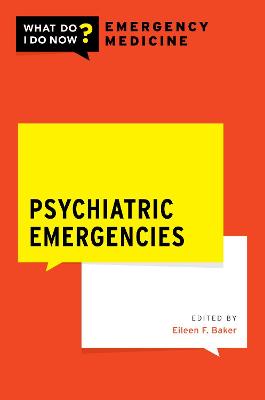
Emergency Psychiatry
 -10%
portes grátis
-10%
portes grátis
Emergency Psychiatry
Thrasher, Tony
Oxford University Press Inc
08/2023
536
Mole
Inglês
9780197624005
15 a 20 dias
Descrição não disponível.
Section I: The Approach to Emergency Psychiatric Evaluation
1. An Initial Approach to the Emergency Evaluation (Pitfalls, Pearls, and notice of Countertransference)
2. Evaluating and Managing the Agitated Patient
3. Medical Assessment of the Psychiatric Patient
4. Assessing for Suicidality and Overall Risk of Violence
5. Telepsychiatry and Beyond: Future Directions in Emergency Psychiatry
6. Cultural Competence in Emergency Psychiatry
Section II: Specific Disorders, Diagnoses, and Symptoms frequently encountered as Psychiatric Emergencies
1. Altered Mental Status and Neurologic Syndromes
2. Intoxication, Withdrawal, and Symptoms of Substance Use Disorders
3. Psychosis, Psychotic Disorders, and the Schizophrenia Spectrum
4. Emergency Psychiatry Evaluation and Treatment of Mood Disorders
5. Anxiety, PTSD, and other Trauma Related Disorders
6. Personality Disorders
7. Deception in the Emergency Setting: Malingering and Factitious Disorder
8. Eating Disorders and Somatic Symptom Disorders
Section III: Specific Populations frequently encountered as Psychiatric Emergencies
1. Children and Adolescents
2. Geriatrics
3. Developmental Disabilities
4. Perinatal Patients and related Illnesses, Symptoms, and Complications related to Pregnancy
5. Victims of Physical and Sexual Violence (including identification and reporting issues)
Section IV: Disposition, Aftercare, Legal Issues, and Future Directions
1. Tool, Constraint, Liability, Context: Law and Emergency Psychiatry
2. Documenting risk assessments and high acuity discharge presentations
3. Trauma Informed Care, Psychological First Aid, and Recovery Oriented Approaches in the ER
4. Collaborations WITHIN the ED: observation units, consult models, boarding processes, and future directions
5. Collaborations BEYOND the ED: mobile crisis teams, peer services, and working with law enforcement
6. Quality Improvement in Psychiatric Emergency Settings: Making Care Better and Safer
1. An Initial Approach to the Emergency Evaluation (Pitfalls, Pearls, and notice of Countertransference)
2. Evaluating and Managing the Agitated Patient
3. Medical Assessment of the Psychiatric Patient
4. Assessing for Suicidality and Overall Risk of Violence
5. Telepsychiatry and Beyond: Future Directions in Emergency Psychiatry
6. Cultural Competence in Emergency Psychiatry
Section II: Specific Disorders, Diagnoses, and Symptoms frequently encountered as Psychiatric Emergencies
1. Altered Mental Status and Neurologic Syndromes
2. Intoxication, Withdrawal, and Symptoms of Substance Use Disorders
3. Psychosis, Psychotic Disorders, and the Schizophrenia Spectrum
4. Emergency Psychiatry Evaluation and Treatment of Mood Disorders
5. Anxiety, PTSD, and other Trauma Related Disorders
6. Personality Disorders
7. Deception in the Emergency Setting: Malingering and Factitious Disorder
8. Eating Disorders and Somatic Symptom Disorders
Section III: Specific Populations frequently encountered as Psychiatric Emergencies
1. Children and Adolescents
2. Geriatrics
3. Developmental Disabilities
4. Perinatal Patients and related Illnesses, Symptoms, and Complications related to Pregnancy
5. Victims of Physical and Sexual Violence (including identification and reporting issues)
Section IV: Disposition, Aftercare, Legal Issues, and Future Directions
1. Tool, Constraint, Liability, Context: Law and Emergency Psychiatry
2. Documenting risk assessments and high acuity discharge presentations
3. Trauma Informed Care, Psychological First Aid, and Recovery Oriented Approaches in the ER
4. Collaborations WITHIN the ED: observation units, consult models, boarding processes, and future directions
5. Collaborations BEYOND the ED: mobile crisis teams, peer services, and working with law enforcement
6. Quality Improvement in Psychiatric Emergency Settings: Making Care Better and Safer
Este título pertence ao(s) assunto(s) indicados(s). Para ver outros títulos clique no assunto desejado.
Section I: The Approach to Emergency Psychiatric Evaluation
1. An Initial Approach to the Emergency Evaluation (Pitfalls, Pearls, and notice of Countertransference)
2. Evaluating and Managing the Agitated Patient
3. Medical Assessment of the Psychiatric Patient
4. Assessing for Suicidality and Overall Risk of Violence
5. Telepsychiatry and Beyond: Future Directions in Emergency Psychiatry
6. Cultural Competence in Emergency Psychiatry
Section II: Specific Disorders, Diagnoses, and Symptoms frequently encountered as Psychiatric Emergencies
1. Altered Mental Status and Neurologic Syndromes
2. Intoxication, Withdrawal, and Symptoms of Substance Use Disorders
3. Psychosis, Psychotic Disorders, and the Schizophrenia Spectrum
4. Emergency Psychiatry Evaluation and Treatment of Mood Disorders
5. Anxiety, PTSD, and other Trauma Related Disorders
6. Personality Disorders
7. Deception in the Emergency Setting: Malingering and Factitious Disorder
8. Eating Disorders and Somatic Symptom Disorders
Section III: Specific Populations frequently encountered as Psychiatric Emergencies
1. Children and Adolescents
2. Geriatrics
3. Developmental Disabilities
4. Perinatal Patients and related Illnesses, Symptoms, and Complications related to Pregnancy
5. Victims of Physical and Sexual Violence (including identification and reporting issues)
Section IV: Disposition, Aftercare, Legal Issues, and Future Directions
1. Tool, Constraint, Liability, Context: Law and Emergency Psychiatry
2. Documenting risk assessments and high acuity discharge presentations
3. Trauma Informed Care, Psychological First Aid, and Recovery Oriented Approaches in the ER
4. Collaborations WITHIN the ED: observation units, consult models, boarding processes, and future directions
5. Collaborations BEYOND the ED: mobile crisis teams, peer services, and working with law enforcement
6. Quality Improvement in Psychiatric Emergency Settings: Making Care Better and Safer
1. An Initial Approach to the Emergency Evaluation (Pitfalls, Pearls, and notice of Countertransference)
2. Evaluating and Managing the Agitated Patient
3. Medical Assessment of the Psychiatric Patient
4. Assessing for Suicidality and Overall Risk of Violence
5. Telepsychiatry and Beyond: Future Directions in Emergency Psychiatry
6. Cultural Competence in Emergency Psychiatry
Section II: Specific Disorders, Diagnoses, and Symptoms frequently encountered as Psychiatric Emergencies
1. Altered Mental Status and Neurologic Syndromes
2. Intoxication, Withdrawal, and Symptoms of Substance Use Disorders
3. Psychosis, Psychotic Disorders, and the Schizophrenia Spectrum
4. Emergency Psychiatry Evaluation and Treatment of Mood Disorders
5. Anxiety, PTSD, and other Trauma Related Disorders
6. Personality Disorders
7. Deception in the Emergency Setting: Malingering and Factitious Disorder
8. Eating Disorders and Somatic Symptom Disorders
Section III: Specific Populations frequently encountered as Psychiatric Emergencies
1. Children and Adolescents
2. Geriatrics
3. Developmental Disabilities
4. Perinatal Patients and related Illnesses, Symptoms, and Complications related to Pregnancy
5. Victims of Physical and Sexual Violence (including identification and reporting issues)
Section IV: Disposition, Aftercare, Legal Issues, and Future Directions
1. Tool, Constraint, Liability, Context: Law and Emergency Psychiatry
2. Documenting risk assessments and high acuity discharge presentations
3. Trauma Informed Care, Psychological First Aid, and Recovery Oriented Approaches in the ER
4. Collaborations WITHIN the ED: observation units, consult models, boarding processes, and future directions
5. Collaborations BEYOND the ED: mobile crisis teams, peer services, and working with law enforcement
6. Quality Improvement in Psychiatric Emergency Settings: Making Care Better and Safer
Este título pertence ao(s) assunto(s) indicados(s). Para ver outros títulos clique no assunto desejado.